

This is the second edition in a 2019 series covering pieces I have been reading online and in print that I think are worthy of further sharing. Followers on twitter, linkedin, and to a lesser degree on Instagram will be aware that I regularly share items relating to sustainability, the built environment and our relationship with the outdoors and nature. However posts there can be flitting and often difficult to track down and return to. They will hopefully have a longer life here …
Articles, papers and images that catch my eye, or as a result of a search I move into my ever growing Instapaper (and occasionally Evernote) Library. This enables me to read offline, and importantly to keep and or return to for reference: here are a few recents:
Sustainability
It is worse, much worse, than you think. The opening line from David Wallace-Wells’s Uninhabitable Earth continues: The slowness of climate change is a fairy tale, perhaps as pernicious as the one that says it isn’t happening at all, and comes to us bundled with several others in an anthology of comforting delusions: that global warming is an Arctic saga, unfolding remotely; that it is strictly a matter of sea level and coastlines, not an enveloping crisis sparing no place and leaving no life un-deformed; that it is a crisis of the “natural” world, not the human one; that those two are distinct, and that we live today somehow outside or beyond or at the very least defended against nature, not circumscribed and literally overwhelmed by it; that wealth can be a shield against the ravages of warming; that the burning of fossil fuels is the price of continued economic growth; that growth, and the technology it produces, will allow us to engineer our way out of environmental disaster; that there is any analogue to the scale or scope of this threat, in the long span of human history, that might give us confidence in staring it down.– there is a free chapter to read here, if you haven’t read it as yet!
Climate Change and Consciousness. Alan Watson Featherstone’s blog thoughts ahead of Findhorn Foundation’s international conference ‘Climate Change & Consciousness: Our Legacy for the Earth.
DeepMind Wind Predictions: 4 Ways A.I. Is Saving the Environment How A.I. can be harnessed to reduce the mounting affects of climate change 1. Protecting Scarce Supplies of Water in Arid Regions2. Real-Time Crop Data Will Inform Future Farmers 3. Climate Modeling Offers Extremely Long-Term Forecasts 4. The Big Data of Weather Forecasts Make Solar Panels More Lucrative
Built Environment
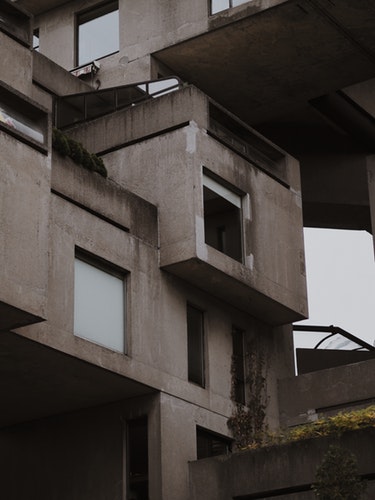
Guardian Concrete Week . A series of hard hitting articles: Guardian Cities celebrates the aesthetic and social achievements of concrete, while investigating its innumerable harms, to learn what we can all do today to bring about a less grey world
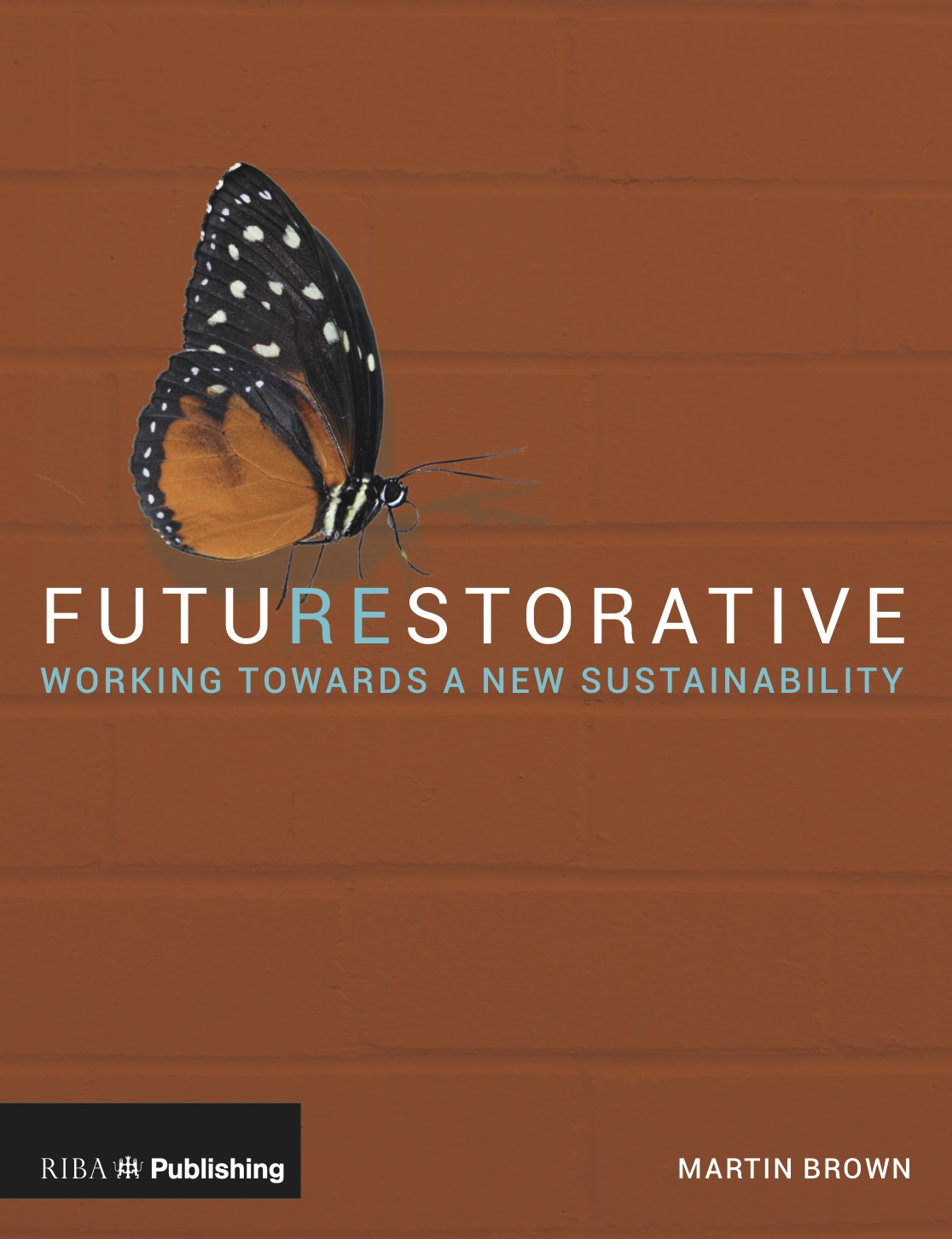
What Would a “Green New Deal” Look Like for Architecture? – Ocasio-Cortez’s plan,in line with the Intergovernmental Panel on Climate Change (IPCC)’s most recent warning that the world has about a decade to get climate change under control, would see buildings as mini power plants that can not only produce enough energy to supply their own needs, but also fuel vehicles and send excess energy back to the grid. (Something explored in FutuREstorative)
The Nature of Air the latest publication from Terrapin Bright Green sheds light on the financial burden of poor air quality as well as the atmospheric mechanisms by which earth is able to addresses air pollution in an energy efficient and circular manner
AI, Machine Learning, construction and bots A great overview from colleague Paul Wilkinson: Construction is waking up to the opportunities posed by artificial intelligence and machine learning to mine rich data and deliver powerful business insights and predictions.
Using public health data to inform building practice Angela Loder & Regina Vaicekonyte on how the WELL Building Standard™ (WELL™) uses public health data and how projects can use this data to inform their project health goals.
Bringing wellbeing to construction with Red List compliant, biophilic net-zero site accommodation. Blog on Chicago-based Pepper Construction who unveiled its Net Zero Jobsite Trailer in November at Greenbuild show at the end of last year.
Outdoors / Nature

Why rewilding? – Rewild Everything! In our attempts to tame and control nature, to de-wild the natural world, we also tame, control and de-wild ourselves, and in the process lose fundamental parts of us that make being alive meaningful and enjoyable. We deny parts of ourselves that frighten and inconvenience us, ignore messages from our animal bodies as we stare at screens under artificial lights, inside concrete buildings kept at artificial temperatures to boost ‘productivity’.
Free Photo Book: NASA Celebrates Earth’s Incredible Natural Beauty Earth, a free photo book from NASA features stunning imagery captured over the years by various NASA satellites. .
Free Solo Alex Honnold, now 33, has been a legend in the sport for a while, with a rack of insane firsts and nobody-will-evers hanging from his harness (except he doesn’t usually wear one of those). With a goofy grin and a bad haircut, he has been fighting a single-handed battle against gravity, and winning. When, on 3 June 2017, he free-soloed the freerider route on El Capitan, the New York Times described it as “one of the greatest athletic feats of any kind, ever”. Then the film about that climb – Free Solo – came out, and the world outside the climbing community sat up and took note. It is a brilliant, beautiful film – not just the story of an incredible physical performance, but a very human story of a remarkable, beguiling character.


 Far from dust settling after the EU Referendum that saw ‘Leave’ gain a slender majority, we are seeing more dust being kicked up from the daily political, financial and environmental developments. What all this means for the built environment, as many organisations are telling me in emails, tweets and statements is unclear and remains to be seen. It is still unbelievable that political and industry organisations and companies did not and still do not really have a plan in the case of an out vote, and what the implications of triggering Article 50 would entail.

 The international speakers are experts who have long been working to introduce the principles of LBC in Europe, including a special guest: Amanda Sturgeon was appointed by former Secretary of State and First Lady Hillary Clinton as one of the “10 most important women in sustainability.” FAIA, LEED Fellow, Amanda is from this year President and CEO of the International Living Future Institute after having been Executive Director. She sponsored also the first edition of REGENERATION.
 Emanuele Naboni
 The YELLOW team is the winning team of the 1st edition of REGENERATION (15-18 Apr 2015) and it is composed of (from left in the picture) Emanuele Mondin (architect, Vicenza), Guido Zanzottera(energy engineer, Turin), Luigi Greco (urban planner, Agrigento), Bernardette Soust Verdaguer (architect, Sevilla) and Maija Krizmane (civil engineer, Riga).

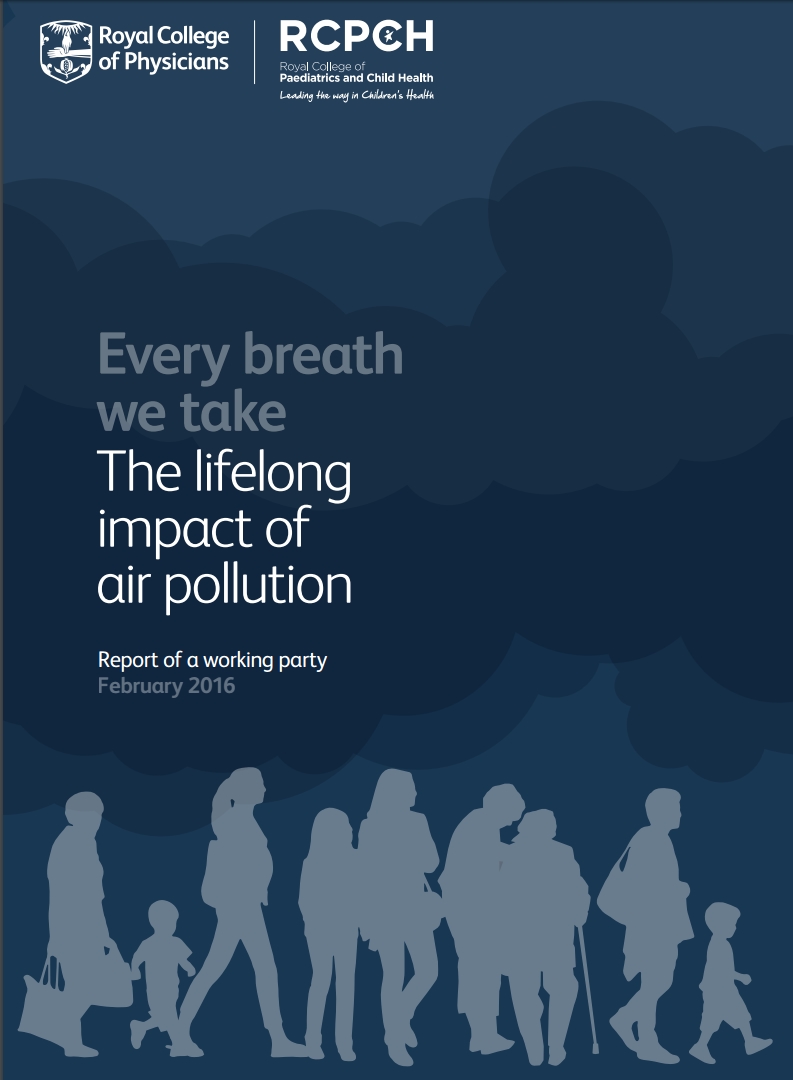 “Each year in the UK, around 40,000 deaths are attributable to exposure to outdoor air pollution, with more linked also to exposure to indoor pollutants”
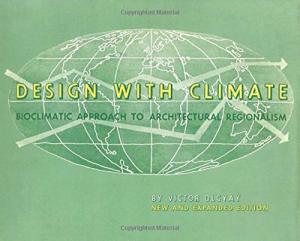 Design for Climate, Bioclimatic Approach to Architecture Regionalism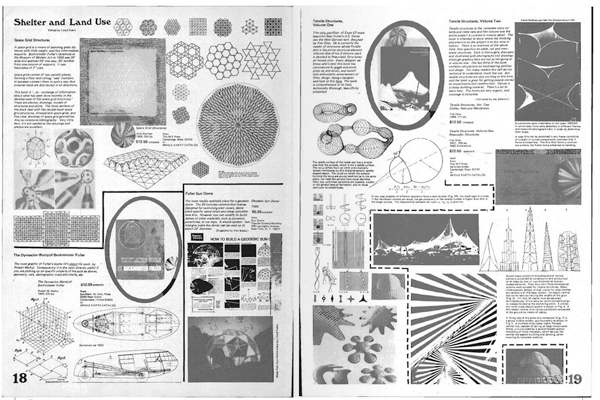
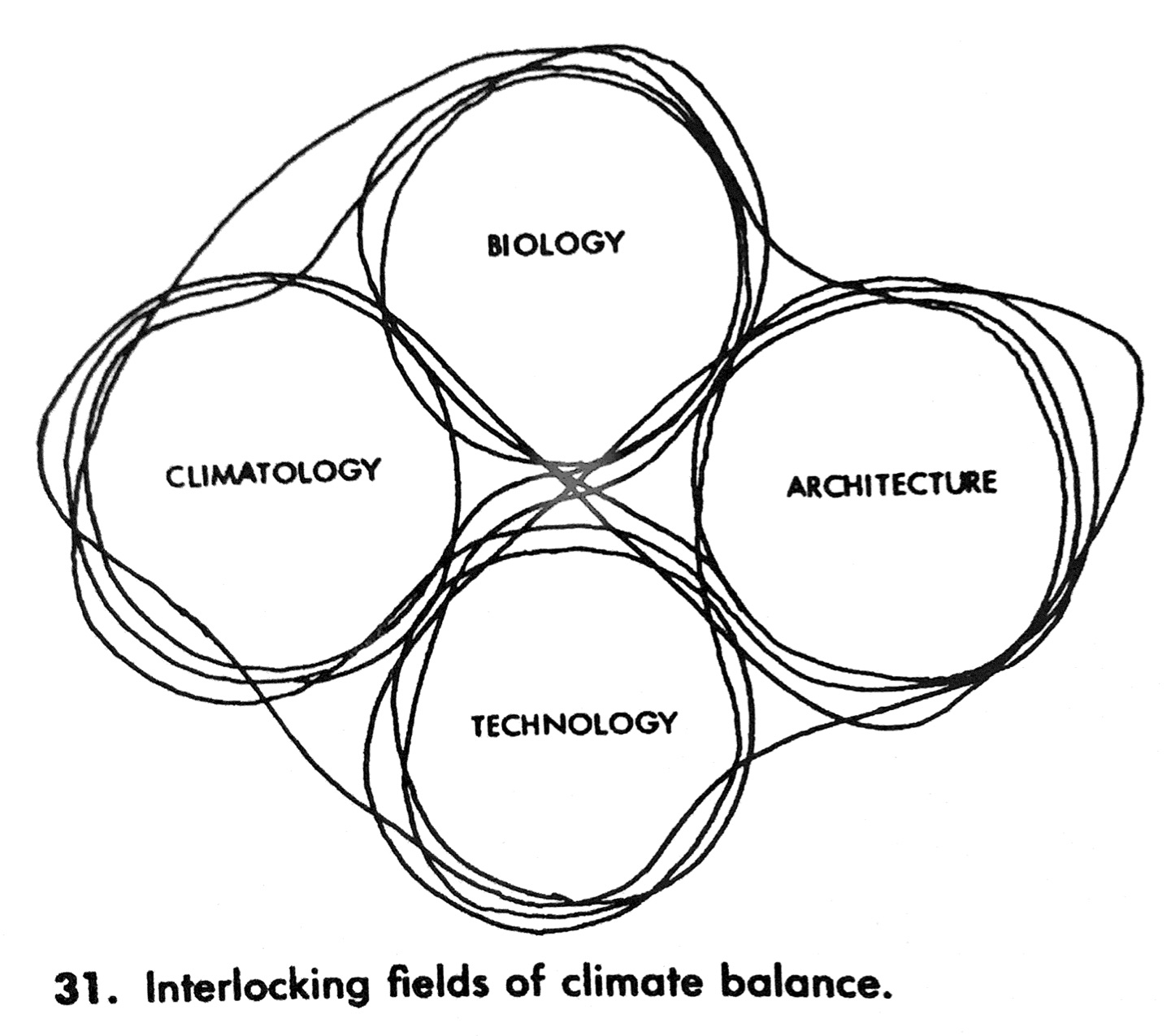 essays. For example, the concept of interlocking fields for climate balance – suggesting that architecture design should be in balance with biology, technology and climatology. Something which is very close to the current thinking of integrating digital technologies (BIM) with bio-data, nature and climatology within todays restorative sustainable design and build.
 Fairsnape